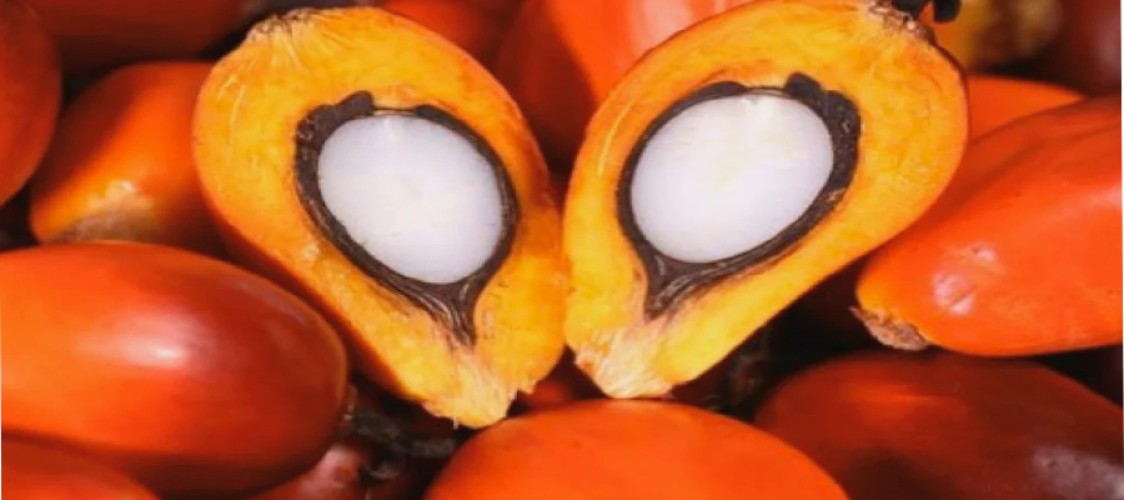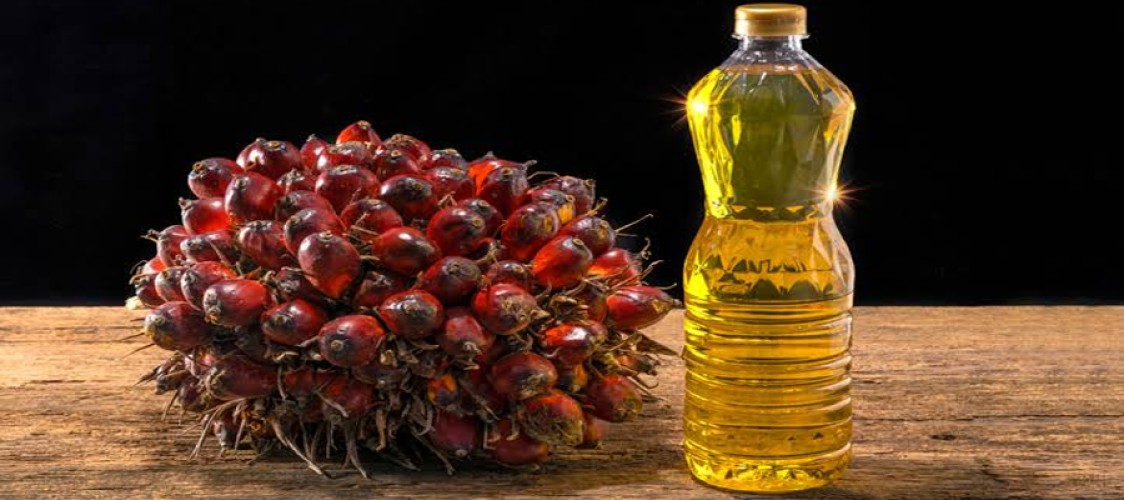
File photo
India's edible oil sector is under scrutiny due to high import dependence and global market volatility. Government and industry leaders are urging reduced consumption and increased domestic production to strengthen economic resilience.
India’s reliance on imported edible oil has emerged as a pressing economic and strategic concern, drawing renewed attention from policymakers and industry leaders. As global supply chains face mounting uncertainties, both government and industry bodies are calling for a shift in consumption habits and a boost to domestic oilseed production.
High import dependence strains national finances
The country currently imports nearly 60 percent of its edible oil requirements, placing a heavy burden on the exchequer during periods of elevated global prices. According to industry data, India’s edible oil import bill reached approximately 18 billion dollars last year, amplifying concerns about the impact of fluctuating international markets on domestic inflation and currency reserves.
Government and industry urge prudent consumption
In recent weeks, Prime Minister Narendra Modi emphasized the need for Indian households to moderate their edible oil usage. He highlighted in a public address in Telangana, as reported by The Hindu BusinessLine, that reducing consumption will not only improve public health but also strengthen the national treasury by decreasing foreign exchange outflows. The Prime Minister framed this as a matter of economic patriotism and prudent financial management.
Echoing these sentiments, the Solvent Extractors’ Association of India (SEA), a major industry body representing oil processors, has thrown its support behind the government’s message. BV Mehta, Executive Director of SEA, noted that the Prime Minister’s call carries deeper strategic significance, especially in the context of rising climate unpredictability and tightening global regulations on biofuels that could further squeeze vegetable oil supplies.
Mehta stated that modest sacrifices in consumption today could help the country avoid more severe disruptions in the future. He pointed out that the ongoing conflicts in West Asia, which have disrupted freight and energy markets, are already affecting edible oil prices and making imports more volatile. In his view, sensible usage and forward-looking policies are essential to shield India from sudden spikes in global commodity prices.
Geopolitical and climate risks compound challenges
The edible oil sector is especially exposed to external shocks. Prolonged instability in key supplier regions like West Asia has led to higher freight costs and volatile energy prices, both of which feed directly into the price of imported oil. Meanwhile, global weather phenomena such as El Nino threaten major oilseed crops, further tightening supplies and increasing the risk of imported inflation.
Industry analysts warn that even minor disruptions in major producing countries—such as those cultivating palm, soybean, or sunflower oil—can swiftly lead to higher prices for Indian consumers. The confluence of geopolitical tension, climate change, and evolving international mandates on biofuels has made reliance on imports increasingly precarious.
Pathways to resilience: production and consumption reforms
To reduce vulnerability, experts advocate for a two-pronged approach: encouraging balanced edible oil consumption while accelerating efforts to boost domestic oilseed output. The government has already launched several initiatives to incentivize oilseed cultivation, aiming to bridge the gap between domestic demand and local production.
Industry leaders stress that fostering a culture of moderate and efficient oil use among consumers is equally important. Alongside policy interventions, public awareness campaigns can play a vital role in shifting consumption patterns toward healthier and more sustainable levels.
Implications for India’s economic and strategic outlook
India’s edible oil challenge underscores broader questions about economic self-reliance and resilience. With the global food and energy landscape growing more volatile, the need for robust domestic supply chains is becoming ever more urgent. Reducing import dependence not only offers fiscal benefits but also enhances strategic autonomy in times of global uncertainty.
Looking ahead, a coordinated effort by government, industry, and consumers will be essential to secure India’s edible oil future. By embracing both production reforms and responsible consumption, the country can navigate the complex risks of the global market and build a more sustainable foundation for food security and economic growth.
You can learn about South Asia's largest
exhibition on this topic through this link: https://oilsfatsasia.com/
Source: Online/OFA























Copyright © 2026 LIMRA Exhibitions. All Rights Reserved.
Website Design & Development ♡ MY SOFT IT
 EN
EN
 Chinese
 Turkish
 Indonesian
 German
 French
 Spanish
 Portuguese
 Russian
 Italian